Not all ETFs are created equal. Two funds tracking the same index can have different fees, trading costs, tax implications, and investment risks. This comprehensive guide explains the 12 essential ETF metrics investors should evaluate, including expense ratios, tracking differences, liquidity, bid-ask spreads, fund holdings, and dividend policies. Learn how to compare ETFs using practical examples and avoid costly investment mistakes.
Month: November 2026
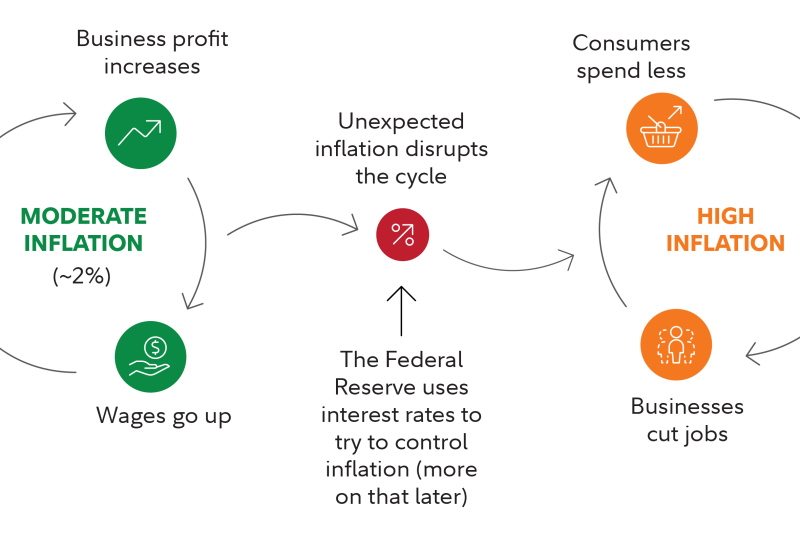
How to Read Economic Indicators: A Practical Guide to Inflation, GDP, Jobs Reports, and Interest Rates
Economic indicators influence stock prices, bond yields, interest rates, and investment decisions. But understanding the numbers requires more than reading financial headlines. This guide explains how to interpret inflation reports, employment data, GDP growth, and the Treasury yield curve, with practical calculations, examples, and a framework for analyzing economic trends without making common mistakes.

Are Digital Banks Safe? 9 Essential Checks Before Opening a Fintech Savings Account
Digital banks and fintech savings apps often promise higher interest rates, lower fees, and smarter money management. But are they as safe as traditional banks? Learn how to verify deposit insurance, identify hidden account risks, compare real savings returns, evaluate security features, and choose a digital banking platform with confidence.

Bond Yields Explained: How Interest Rates, Bond Prices, and Returns Really Work
Why do bond prices fall when interest rates rise? What’s the difference between coupon rates and bond yields? This practical guide explains how bonds work, how to calculate current yield, why duration matters, and what investors should examine before buying fixed-income securities.

How Much Should You Really Save in an Emergency Fund? A Complete Financial Safety Net Guide
Is three months of savings enough, or should you keep six, nine, or even twelve months of expenses in cash? This comprehensive guide explains how to calculate your ideal emergency fund, where to keep your money, how to build savings on any income, and how to balance financial security with long-term investing. Discover practical formulas, real-world examples, and a step-by-step plan for building financial resilience.